
Expert guidance for Subclass 820/801 (onshore) and 309/100 (offshore) partner visas. We simplify the complex process so you can focus on your future together.
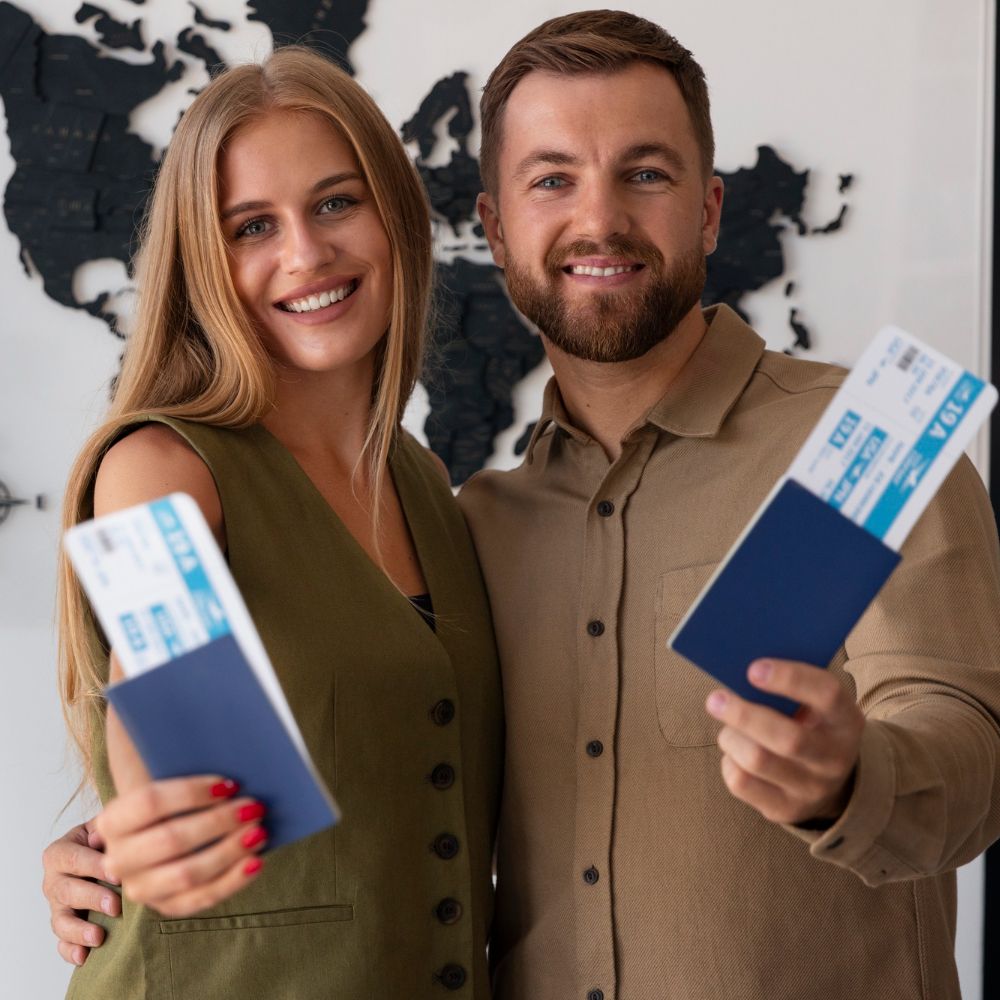
To be eligible for a partner visa, you must satisfy several criteria demonstrating the genuineness and depth of your relationship.
You must show that your relationship is genuine, continuing, and not entered into solely for migration purposes.
Evidence of living together or maintaining a shared household is important, or you must demonstrate a committed relationship if living separately.
Shared finances, joint accounts, and shared bills demonstrate a genuine committed partnership.
Recognition of your relationship by friends, family, and the wider community is essential evidence.
Long-term commitment demonstrated through shared future plans and mutual knowledge of each other.
We are a specialist migration agency focused on helping couples navigate Australia's partner visa process. Our experience allows us to guide you clearly through each step and help you prepare a strong application.
With over a decade of experience, we have assisted couples from around the world to reunite in Australia. We understand how important this journey is and provide personalised support throughout the process.

Registered Migration Agent | MARA
A partner visa allows the spouse or de facto partner of an Australian citizen, permanent resident, or eligible New Zealand citizen to live in Australia.
For applicants who are in Australia at the time of application.
Applicants can remain in Australia while their application is processed.
For applicants who are outside Australia at the time of application.
Applicants must be outside Australia when the Subclass 309 visa is decided.
For offshore applicants in a relationship with an Australian citizen, permanent resident, or eligible New Zealand citizen.
After marriage, apply for Subclass 820 / 801 Partner Visa
Applicants must usually be outside Australia when the visa is granted.
Transparency is important to us.
The current government application fee is approximately AUD $9,365 for the main applicant (subject to annual changes).
This fee covers both the temporary and permanent stages of the partner visa.
Partner visa processing times vary depending on individual circumstances and application quality:
Our structured 5-step process helps ensure your application is complete, well-documented, and prepared in line with Department requirements.
We assess your relationship type, visa stream, and personal circumstances to confirm eligibility.
We provide a tailored checklist and help you gather, organise, and prepare all required evidence.
We prepare and lodge your full application with the Department of Home Affairs.
For onshore applicants, a Bridging Visa may be granted after lodgement, allowing you to remain lawfully in Australia while your application is processed.
We manage all department communications and keep you informed until a decision is made.
Real experiences from real clients who achieved their partner visa approvals with our help.

We know how stressful it is to be separated from the person you love. Our sole focus is helping couples navigate this process with confidence, clarity, and the best possible chance of success.
We focus exclusively on partner and spouse visas. Deep, specialised expertise in this complex visa subclass.
You'll always know the status of your application with clear communication and regular updates.
From your very first enquiry through to visa grant — we're with you at every stage of the journey.
Our meticulous preparation and evidence-first approach has resulted in a 98% approval rate.
Having your documents ready before you start will significantly speed up your application. Here is what you'll typically need.
Got questions? Here are answers to the most common questions we receive about the Australian partner visa process.
Processing times vary depending on your circumstances and how complete your application is. The temporary stage (Subclass 820 or 309) usually takes around 8 to 26 months, while the permanent stage (Subclass 801 or 100) is assessed approximately two years after your initial application. Processing times may change.
Yes, in some circumstances. You may still be eligible if you can demonstrate a genuine committed relationship through strong communication evidence, social recognition, shared finances, and future plans, even without cohabitation evidence.
You may have review rights through the Administrative Review Tribunal (ART). Strict time limits apply, so it's important to act quickly. You may also be able to lodge a new application depending on your circumstances.
Yes, if you applied onshore (Subclass 820). You will be granted a Bridging Visa A (BVA) upon lodgement, which typically includes full work rights. For offshore applicants, you must wait until your temporary visa is actually granted before you can live and work in Australia.
You are not legally required to use a registered migration agent. However, partner visa applications are complex, evidence-intensive, and high-stakes. Professional assistance significantly reduces the risk of refusal and ensures your application tells the strongest possible story of your genuine relationship.
You must provide evidence showing your relationship is genuine and ongoing. This may include shared finances, joint living arrangements, photos together, communication records, travel history, and statements from friends or family.
In some cases, yes. However, certain visitor visas may include conditions that affect your ability to apply onshore. It is important to check your visa conditions before applying.
The permanent partner visa stage is generally assessed around two years after the initial partner visa application is lodged, provided the relationship is still genuine and ongoing.
A de facto relationship generally means you and your partner are in a genuine and ongoing relationship and have usually lived together for at least 12 months, unless exemptions such as relationship registration apply.
No. You can apply as either a married couple or a de facto couple. De facto applicants generally need to show at least 12 months of genuine relationship evidence unless exemptions apply.
Every day apart is a day too many. Let's get your application right — the first time. Book a free, no-obligation consultation and speak directly with a registered migration agent.